Why Certain Cases Become Known for One or Two Standout Skins
CS2 cases give players the possibility of getting valuable items for just a few cents, which is a big part of their appeal. Most cases contain at least a few valuable skins, but these usually make up only a small part of the items available in the case. Getting one is far from guaranteed, since the rarest items make up only a small part of what's available. But why do certain cases attract more attention than others? In this guide, we'll take a closer look at how CS2 cases work, why some become popular because of specific skins, and whether case choice actually affects what you might get.
CS2 Cases: What You Need to Know
Before getting into specific cases, let's start with the basics. Here are some important things you should know about CS:GO cases and how they work.
What CS2 Cases Are
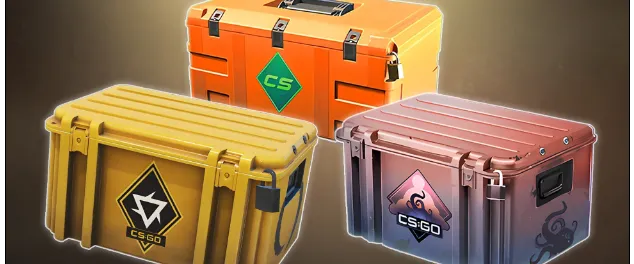
A CS2 case is a container holding a set group of weapon skins, along with a small chance of a rare item like a knife or gloves. Each case comes with its own theme and a fixed list of possible skins, so once Valve sets what's inside, that list doesn't change even as prices shift over time. Cases are also what tie a specific set of skins together into what's usually called a collection, giving each one its own identity separate from other cases in the game.
How the Random System Works
Opening a case requires a key, and what you get depends on set distribution rates split across rarity tiers, from common Mil-Spec skins up to rare Covert ones. Knives and gloves sit in a separate tier on top of that, with the chance of receiving one usually sitting under one percent depending on the case. Every case follows the same basic structure, so buying a key and opening a case means the item you receive is randomized and won't always match what you spent.
こちらもおすすめ
How to Get a Case
The most direct way is buying one straight from the Steam Community Market, where cases are usually priced low even if the skins inside are worth a lot more. Cases can also show up as part of weekly drops if you have Prime status, letting you receive one without spending anything additional. Weekly drops only go to accounts with Prime status, so an account's status affects how many cases you can collect for free. That's one reason many players look for a Prime-enabled CS2 account before they start building an inventory. Trading is another option, especially for older cases no longer in the active drop pool, since players sometimes hold onto extras they're willing to give up for something else.
Which Cases Become Popular Because of One or Two Skins
Now let's look at some specific examples. Not all cases attract the same level of attention, and sometimes a single highly desirable skin can make a case much more popular. Here are a few examples worth looking at.
Kilowatt Case
The CS2 Kilowatt Case came out in February 2024 and was the first case made entirely for CS2, rather than carried over from CS:GO. What put it on the map was the Kukri Knife, the first new knife type added to the game in years, along with the first-ever skin made for the Zeus x27. The case itself is cheap, usually under a dollar, and a standard key costs $2.49. Notable items from this case include:
Kukri Knife
Zeus x27 Diamond Dust
Chroma Case
Released in January 2015, the Chroma Case introduced Doppler and Marble Fade finishes to the game for the first time, which is why it still gets talked about a decade later. It usually sells for somewhere between $4 and $9, with the key still available at the standard $2.49. The weapon skins inside are mostly forgotten now, since the case's reputation comes down to its knives. Notable items from this case include:
Karambit Doppler
Karambit Marble Fade
Falchion Case
The Falchion Case was released on May 26, 2015, and introduced the Falchion Knife, a brand new knife type at the time. The case itself is cheap, usually $1.50 to $2.50, but the key is a different story, since Valve no longer sells it directly, pushing its price up to around $11 to $15 on the Steam Market. Most of the weapon skins from this case are long forgotten, but the knife kept it relevant for years. Notable items from this case include:
Falchion Knife Crimson Web
Falchion Knife Case Hardened
How Case Choice Affects What You Might Get
As we've discussed, cases contain different items with different values, but the item you receive is determined randomly. So does the case you pick actually make a difference in what you end up with? Let's take a closer look.
Choosing a Case with Fewer Rare Items
Cases with fewer high-tier items concentrate the value across a smaller group, so each one makes up a larger share of that tier. Checking the skin list before buying a key, instead of assuming every case works the same, is a simple way to understand what you're actually choosing between.
Buying Right Before a Case Gets Removed
Cases about to leave the drop pool sometimes get more attention right before they disappear, and Valve occasionally makes them easier to find during this window. Buying keys during this period doesn't change the odds of any single case, but it does mean you can open more of them before prices rise once the case becomes harder and more expensive to find later.
Using Trade Ups to Get a Specific Skin
Trade Up Contracts let you combine ten skins of the same rarity to get one random item from the next rarity tier up, but only from a collection you choose ahead of time. This means that instead of picking from an entire case's full rarity tier, you pick from a much smaller, known group of possible skins.
Conclusion
In this article, we looked at CS2 cases and what can make them popular. We started with the basics of how cases work, then explored why certain cases become especially popular because of the skins they contain. At the end, we looked at how case choice affects what you might get and what you should keep in mind when deciding.
Disclaimer: This article is provided for general informational purposes only and does not constitute financial or investment advice. Case opening outcomes are randomized, and results are not guaranteed. Skin and case values can change over time. Counter-Strike, CS2, CS:GO, and Valve are trademarks of Valve Corporation.